
Behind “I'm Fine”
Men's Mental Health, Homelessness and the Power of Being Seen
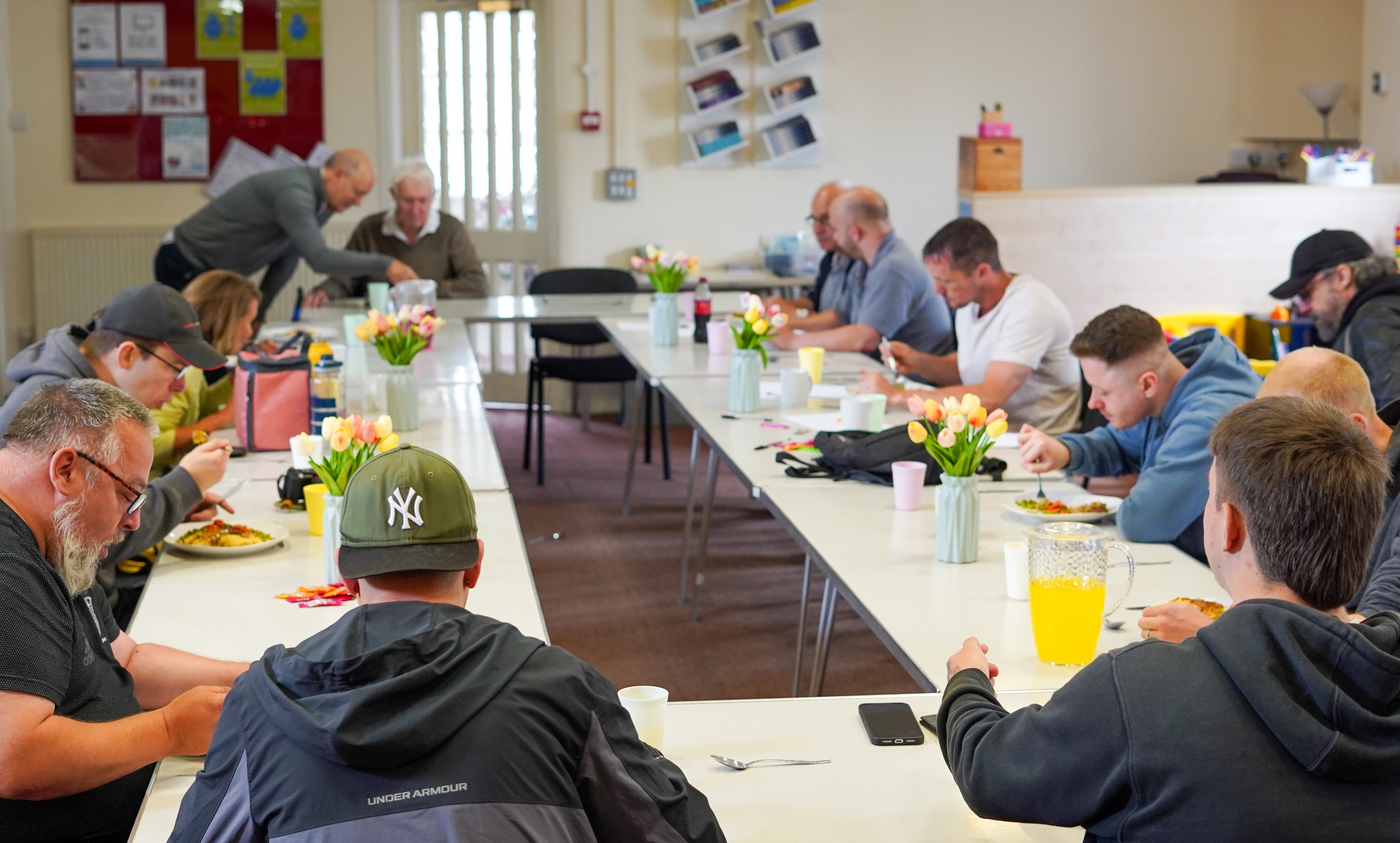
Behind “I'm Fine”: Men's Mental Health, Homelessness and the Power of Being Seen
“I'm fine.” Two little words we hear almost every day. But how often do we stop to wonder what's really behind them?
For many men, admitting they're struggling can feel harder than carrying the struggle itself. There's often an expectation to be strong, provide for others, keep going and have everything under control. And sometimes, even when life feels like it's falling apart, the easiest answer is still, “I'm fine.”
This November, as conversations around men's mental health take centre stage through Movember and International Men's Day, we want to talk about something that doesn't always receive the attention it deserves: the relationship between mental health, homelessness and the importance of having somewhere to belong.
The struggles we don't always see
Mental health challenges don't discriminate. They affect men and women, young and old, people with homes and people without them. But for some men, expectations around masculinity and self-reliance can make reaching out for help particularly difficult. The latest Office for National Statistics figures show that, in England and Wales, the male suicide rate was more than three times the female rate for deaths registered in 2025. Behind those statistics are people. Fathers, brothers, sons, husbands, friends and colleagues. People who matter deeply to someone. It's a reminder that we need to make space for honest conversations, listen without judgement and recognise that asking for help is not a sign of weakness. Sometimes, the people who seem to be holding everything together are the ones who need someone to notice they're struggling.
When mental health and homelessness meet
Homelessness rarely has one simple cause. Relationship breakdown, financial difficulties, unemployment, trauma, poor health and a lack of support can all play a part. And mental health difficulties can be both a contributing factor to homelessness and a consequence of experiencing it. Research published by Homeless Link in 2025 found that 77% of respondents to its latest Homeless Health Needs Audit reported at least one diagnosed mental health condition. Now imagine trying to manage anxiety, depression or trauma without knowing where you're going to sleep tonight. Without somewhere private to rest. Without a safe space to process what you're going through. A home won't automatically solve someone's mental health challenges. But having somewhere safe and stable to live can create the foundations needed to begin rebuilding. And that's where the story can start to change.
More than a roof. More than four walls.
At Green Pastures, we've always believed that ending homelessness is about more than providing accommodation. Through our partnerships with churches and Christian charities across the UK, we help provide homes where people can find safety, stability and opportunities to move forward. Just as importantly, our partners offer the relationships, encouragement and practical support that can make such a difference. Sometimes, progress looks like finding employment or moving into independent accommodation. Other times, it's having the confidence to ask for help, joining others for a meal or beginning to trust someone again. These moments might seem small from the outside. But for someone who's experienced homelessness, isolation or poor mental health, they can mean so much. Because everybody needs more than somewhere to live. We all need somewhere to belong.
What does the Bible say about carrying our struggles?
As a Christian organisation, our belief in the value of every person is at the heart of everything we do. Galatians 6:2 reminds us: “Carry each other's burdens, and in this way you will fulfil the law of Christ.” It's a beautiful reminder that we were never meant to navigate life's hardest moments alone. Faith doesn't mean we won't experience anxiety, depression, grief or difficult seasons. And prayer isn't a substitute for professional mental health support. But our faith calls us to respond with compassion, to listen, to walk alongside one another and to recognise the dignity and worth of every individual. That's the kind of community we want to help build through Green Pastures. One where people are seen for who they are, not defined by what they've been through.
Sometimes, it starts with a simple question
This November, perhaps the most important thing we can do is something surprisingly simple. Check in on someone. Ask how they're really doing. Make time for a conversation. Listen without feeling the need to fix everything. And if you're the person who's struggling, please know this: You don't have to be strong all the time. You don't have to have all the answers. And you don't have to face everything alone. There is strength in reaching out. There is hope in being heard. And there is power in knowing somebody cares.
At Green Pastures, we see every day what can happen when people come together to offer more than a roof. A safe home, a supportive community and someone willing to walk alongside you can help create the opportunity for a different future. Because everyone has a story. Everyone matters. And everyone deserves somewhere to belong. 💚
Be part of the story
Whether through partnership, prayer or investment, there are many ways to support Green Pastures in helping people move beyond homelessness.
Discover how you can get involved
If you or someone you know is struggling, you can speak to Samaritans free, day or night, on 116 123, or visit samaritans.org.